What Makes Jamaican Food So Unique and Delicious
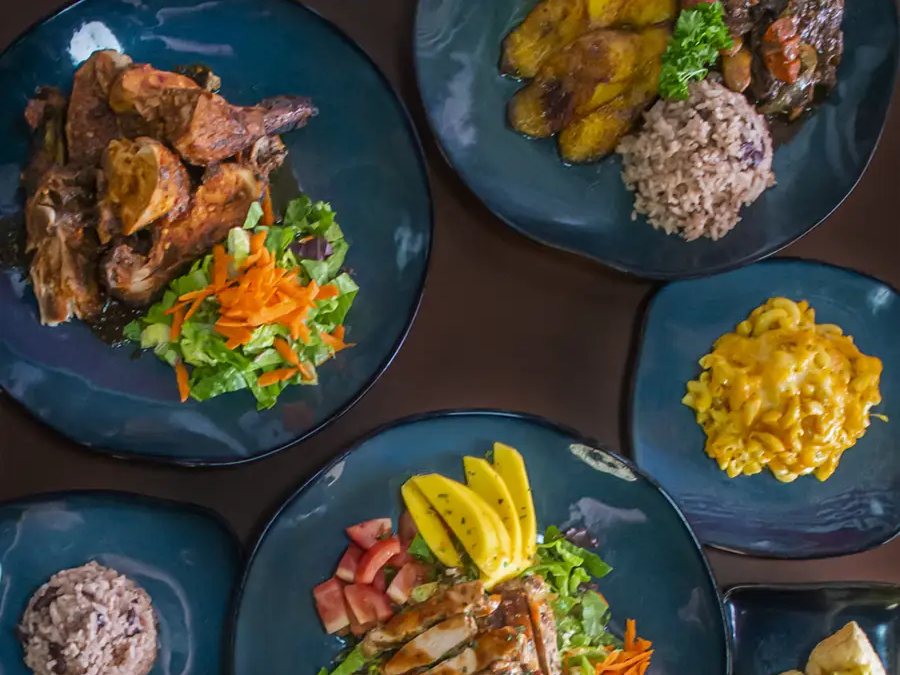

Ask ten people to describe Jamaican food and you will hear a familiar set of words: bold, spicy, smoky, soulful, vibrant. Those descriptions are accurate, but they only scratch the surface. What makes Jamaican food so distinctive is not just heat, seasoning, or color on the plate. It is the way history, geography, agriculture, trade, migration, and local ingenuity all show up in a single meal.
A plate of jerk chicken with rice and peas, fried plantains, and a spoonful of pepper sauce may seem straightforward at first glance. Taste it carefully and the layers begin to reveal themselves. There is fire, yes, but also sweetness, smoke, herbs, earthiness, fruit, and a slow-building depth from allspice, thyme, scallion, garlic, and Scotch bonnet pepper. The food is expressive without being chaotic. It has force, but it also has balance.
That balance is one of the great strengths of Jamaican cooking. The cuisine knows how to push flavor hard while still keeping a dish coherent. It can be rustic and refined at the same time. It can rely on humble ingredients and still taste festive. That is part of why jamaican food travels so well across cultures. Even when someone encounters it for the first time, the food feels confident, complete, and deeply personal.
A cuisine shaped by many hands
You cannot understand Jamaican food without understanding that it was built through layers of contact, struggle, adaptation, and exchange. Indigenous Taíno influence, African cooking traditions, European colonial presence, Indian indentured labor, Chinese migration, and the practical realities of island life all helped shape what now feels unmistakably Jamaican.
The Taíno left an early mark through methods such as cooking over pimento wood and cassava use. African culinary traditions brought sophisticated seasoning practices, one-pot cooking, frying methods, and a strong instinct for making the most of available ingredients. Later, Indian influence can be seen in the popularity of curry, which Jamaicans made fully their own. Chinese Jamaican cooking contributed techniques and flavors that filtered into everyday life in subtle but meaningful ways. British colonial habits also left traces in baked goods, saltfish use, puddings, and the structure of some meals.
What is remarkable is not that Jamaican food contains many influences. Many cuisines do. What stands out is how completely those influences were absorbed, transformed, and localized. Jamaican curry does not taste like Indian curry. Jamaican patties are not simply an imitation of British pastry traditions. Escovitch reflects Spanish and broader colonial pathways, but in Jamaica it becomes sharper, hotter, brighter. The island did not just borrow. It edited, intensified, and recomposed.
That process is why the cuisine feels so self-assured. Jamaican food is not trying to preserve outside traditions untouched. It is the result of people making food work for local tastes, local crops, local fuel, local time, and local appetite. The result is food with a clear point of view.
Seasoning is not an afterthought
One of the biggest differences between Jamaican food and more timid cooking traditions lies in the treatment of seasoning. In many kitchens, seasoning arrives late, almost as correction. In Jamaican cooking, seasoning begins at the foundation. Meat is cleaned, marinated, rubbed, or soaked. Aromatics are not decorative. They are structural.
A typical seasoning mix might include scallion, thyme, garlic, ginger, onion, black pepper, allspice, Scotch bonnet, and salt, sometimes with soy sauce, browning, vinegar, lime, or a touch of sugar depending on the dish. The specifics change from household to household. That variation matters. Jamaican food is not a rigid system where one formula rules all. It is a cuisine of instinct, smell, texture, and repetition. A cook often knows a marinade is right by how it clings to the meat or how its aroma opens after a few minutes in the bowl.
This attention to seasoning produces food that tastes fully developed from the inside out. A properly seasoned brown stew chicken does not merely wear sauce on its surface. The meat itself tastes of herbs, spice, and time. The same principle applies to curry goat, stew peas, escovitch fish, and jerk pork. Flavor penetrates. It does not sit on top.
That depth also explains why leftovers often taste even better the next day. Jamaican dishes tend to mature well because they were built for flavor exchange from the start. Sauces settle. Pepper softens into the background. Thyme and allspice bloom. The dish becomes rounder and more unified.
The genius of jerk
No discussion of jamaican food can ignore jerk, but jerk is often oversimplified abroad. It is not just spicy grilled meat. At its best, jerk is one of the most complete flavor systems in the world.
Traditional jerk relies on a seasoning blend built around allspice and Scotch bonnet, often supported by thyme, scallion, garlic, ginger, and other aromatics. The meat, commonly chicken or pork, is marinated thoroughly, then cooked slowly over pimento wood. That wood matters. It contributes a sweet, resinous smoke that cannot be fully replicated with generic hardwoods. The old method, associated with the Maroons, involved slow cooking in pits, a technique as much about preservation and stealth as flavor.
The brilliance of jerk lies in contrast. The allspice brings warmth and perfume. Scotch bonnet delivers heat, but also fruitiness. Smoke adds bitterness and sweetness at once. The marinade chars at the edges, giving the exterior a dark crust while the interior stays juicy. Done properly, jerk is aggressive without being one-note. A bad version burns. A good version lingers.
Many restaurants outside Jamaica lean too hard on heat and miss the layered aromatic quality that makes jerk special. The best jerk should smell as compelling as it tastes. If the first impression is only raw spice or vinegar, something is missing. When it is right, you get smoke first, then herbs, then sweet spice, then pepper, then meat juices, all in sequence.
Scotch bonnet is more than heat
People often reduce Caribbean food to spiciness, and that is a mistake. Heat is important in Jamaican cooking, but it is rarely the whole point. Scotch bonnet pepper is prized not only because it is hot, but because it is flavorful. It has a fruity, almost floral quality that can brighten a dish in a way ordinary hot peppers cannot.
This matters in practice. A small amount of Scotch bonnet in rice and peas, soup, or stew can perfume the entire pot without making it painfully hot. Some cooks drop the pepper in whole, allowing it to infuse gently so the dish gains aroma and a measured burn. If the pepper bursts, the result changes fast. That is one of those small kitchen judgments that separates routine cooking from experienced cooking.
Pepper sauces also illustrate Jamaican restraint and boldness working together. A well-made sauce can be sharp and intense, but it should still taste alive, not merely punishing. The best ones have heat, acid, vegetal character, and sometimes a touch of sweetness. They sharpen fried fish, cut through rich stews, and wake up starches like yam or dumpling.
Allspice, thyme, and the unmistakable island fragrance
If Scotch bonnet brings drama, allspice and thyme bring identity. Allspice, known in Jamaica as pimento, is one of the most defining ingredients in the cuisine. It tastes faintly of clove, cinnamon, nutmeg, and pepper all at once, but that description still does not fully capture it. In Jamaican cooking, allspice has a way of making savory dishes feel warm, rounded, and fragrant without tipping them into sweetness.
Thyme plays a similarly central role. Fresh thyme appears in soups, stews, peas, rice dishes, and marinades. It brings a clean herbal note that stands up well to long cooking and assertive spices. In many Jamaican kitchens, the aroma of thyme hitting a hot pot with scallion, onion, and garlic is the beginning of dinner.
These ingredients are part of why jamaican food is so memorable. Many cuisines use chile. Many use garlic and onion. Fewer rely so confidently on the specific combination of allspice, thyme, scallion, and Scotch bonnet. That quartet creates a flavor signature that is hard to confuse with anything else.
Geography matters on an island table
Jamaica’s climate supports a remarkable range of ingredients that shape daily cooking. Breadfruit, ackee, callaloo, cassava, coco, yam, plantain, banana, mango, coconut, sorrel, and countless herbs feed a cuisine that remains closely tied to the land. Even when imported goods became common, local produce continued to define what a Jamaican meal looks and tastes like.
That agricultural abundance helps explain the natural pairing of rich meats with starchy, grounding sides. Fried ripe plantain brings sweetness and softness next to spicy chicken. Boiled green banana, yam, and dumpling create a sturdy base for saltfish or mackerel. Breadfruit, roasted until smoky and fluffy, can carry butter beautifully or stand in for more processed starches. Coconut milk enriches rice and peas, rundown, and sweets without feeling heavy in the same way dairy often can in hot climates.
The sea also matters. Fish, lobster, conch where available, and salt cod all play important roles. Escovitch fish is a perfect example of how island geography and practical cooking intersect. A whole fish is fried until crisp, then topped with a hot, vinegary dressing of carrots, onions, and peppers. The result is bright, savory, and ideal in warm weather. It tastes like a place that understands both abundance and preservation.
The power of contrast on one plate
One reason Jamaican food satisfies so deeply is that a typical meal contains contrast by design. The cuisine is not interested in monotony. It likes interplay.
A classic plate might combine spicy jerk, mildly sweet fried plantain, creamy rice and peas, cool coleslaw, and a sharp pepper sauce. Every forkful can be adjusted. You can chase heat with starch, refresh your palate with slaw, then return to smoke and spice. This built-in variation keeps the meal lively from start to finish.
The same is true in breakfast dishes. Ackee and saltfish, Jamaica’s national dish, offers richness from the ackee, salinity from cod, herbal notes from thyme and scallion, and occasional peppery bursts. Served with fried dumpling, roasted breadfruit, or boiled green banana, the dish becomes more than the sum of its parts. Texturally, it is especially satisfying, soft ackee against firmer fish and dense starches.
A lot of cuisines understand contrast, but Jamaican food often delivers it in a way that feels intuitive rather than staged. The sweetness next to spice, the acid against fried food, the soft starch beside crisp exterior, these are not restaurant tricks. They are everyday habits.
Slow cooking, patience, and the value of time
Jamaican food rewards cooks who are willing to wait. Curry goat is a perfect case. Goat can be chewy if rushed, but given time it becomes tender and deeply infused with curry, garlic, thyme, and pepper. The gravy thickens naturally as collagen and aromatics mingle. The final dish should feel rich but not muddy, spiced but not dusty.
Brown stew chicken works much the same way. Browning the chicken first creates flavor in two ways. It develops color on the meat itself and leaves behind caramelized bits that enrich the sauce. Onion, tomato, sweet pepper, thyme, and stock then build the stew gradually. A rushed version tastes fragmented. A patient one tastes like every ingredient has agreed to the same plan.
This patience extends to soups and Saturday cooking traditions in many households. A pot of red peas soup or mannish water is not something thrown together carelessly. These dishes rely on simmering, tasting, adjusting, and letting ingredients release themselves in stages. Dumplings swell, root vegetables soften, bones give body to broth. The process matters as much as the final serving.
That sense of time is one of the reasons jamaican food often feels emotionally generous. It is food that announces effort. Even simple dishes usually carry signs of preparation, marinating, stewing, roasting, frying, soaking, or resting. The flavors tell you someone paid attention.
Street food energy and home-cooked depth
Jamaican cuisine thrives in both public and private spaces. Street food captures its immediacy. Home cooking shows its endurance.
On the street, a patty in a flaky yellow crust can serve as breakfast, lunch, or a quick bite between errands. Coco bread can turn that snack into a fuller meal. Roasted corn, jerk from a roadside drum, fish at the beach, and soup from a vendor all express a kind of directness. The food is hot, aromatic, and made to be eaten now. You smell it before you see it.
At home, the same cuisine slows down and broadens. There are ceremonial dishes, Sunday meals, holiday cakes soaked with fruit and spirits, sorrel drinks steeped with ginger, and large pots meant for sharing. Jamaican food in domestic settings often has a different rhythm from restaurant service. Recipes can be loose, measurements approximate, and authority inherited rather than written. Many of the best cooks do not explain a dish in standard recipe language. They say things like, “season it proper,” or “let it cook till it draw down,” and if you have spent time in the kitchen you know exactly what that means.
That oral, practical quality is part of the cuisine’s charm. It leaves room for personality. Two households may make the same dish quite differently and both versions can be authentically Jamaican.
Dishes that define the cuisine
A few dishes show the range and character of jamaican food especially well:
Jerk chicken and jerk pork demonstrate mastery of smoke, spice, and char.
Ackee and saltfish captures the national palate, savory, herbal, rich, and built around contrast.
Curry goat shows how Jamaican cooks adapted curry into something distinctly local and deeply comforting.
Rice and peas, despite the name often referring to kidney beans or gungo peas, proves that side dishes can carry as much identity as the main.
Patty culture reveals the island’s gift for portable, affordable flavor that still feels complete.
None of these dishes alone explains the cuisine, but together they show how broad the flavor vocabulary is. Jamaican food can be fiery, mellow, crispy, soupy, slow-cooked, hand-held, celebratory, or everyday.
Sweetness, drinks, and the finishing notes
Savory dishes tend to get most of the attention, but Jamaican sweets and drinks deserve more respect than they often receive abroad. They are not side characters. They complete the culinary picture.
A proper rum cake or black cake is dense with soaked fruit and holiday memory. Sweet potato pudding, sometimes called “hell a top, hell a bottom, and hallelujah in the middle,” is one of those desserts that tells you everything about a culture’s humor and appetite in a single phrase. Gizzada, grater cake, toto, and banana fritters all speak to a long tradition of making deeply satisfying sweets from coconut, root vegetables, ripe fruit, spices, and pantry staples.
Then there are the drinks. Sorrel, especially around the holidays, combines tartness, spice, sweetness, and sometimes rum. Ginger beer should have real bite, not just sugar. Irish moss drinks, peanut punch, and fruit juices carry their own local logic, often nourishing, thick, assertive, and not afraid of strong flavor. Even beverages in Jamaica tend to have personality.
Why the food resonates far beyond the island
The global popularity of Jamaican food is not an accident, nor is it solely the result of diaspora communities, though their role has been essential. The food travels because it offers immediate pleasure while also rewarding deeper attention. A first bite can be thrilling. Repeated meals reveal craft.
It also resonates because it is honest. Jamaican cooking does not hide behind delicate presentation or restrained seasoning. It states its intentions clearly. Yet for all its boldness, it is rarely careless. The best dishes show control, especially in the use of spice, smoke, salt, and sweetness.
There is also a practical elegance to the cuisine that people recognize instinctively. It knows how to turn modest ingredients into memorable food. Saltfish becomes iconic. Goat becomes luxurious with time and spice. Root vegetables become central rather than secondary. A patty bought on the go can taste as culturally expressive as a multi-course meal elsewhere.
For cooks, this makes Jamaican food particularly instructive. It teaches that intensity is not the enemy of nuance. It shows that marinades matter, that smoke should complement rather than dominate, that starches are part of the architecture of a meal, and that heat can be aromatic as well as powerful.
The real secret is confidence
If there is a single quality that ties Jamaican food together, it is confidence. The cuisine trusts flavor. It trusts seasoning, fermentation, smoke, fresh herbs, sharp acid, ripe fruit, and long cooking. It trusts the appetite. It does not apologize for richness or spice, but it also understands when to cool, soften, or sweeten.
That confidence comes from generations of cooks who knew how to build full meals from what was available, and how to make those meals taste unmistakably alive. It comes from cultural memory, agricultural reality, and a refusal to settle for blandness. Jamaican food does not ask for permission to be itself.
That is why it remains so compelling. It carries history in its methods, geography in its ingredients, and personality in https://holdenezvl935.novacrestiq.com/posts/exploring-the-bold-spices-of-jamaican-food every pot. Whether it arrives as jerk by the roadside, ackee and saltfish at breakfast, curry goat at a gathering, or a warm patty eaten out of hand, it delivers something more than flavor alone. It offers a complete culinary identity, one that is bold enough to announce itself and balanced enough to keep you coming back.
Reggae Pot Jamaican Grill
2243 S Monaco St Pkwy #104
Denver, CO 80222
+1 720-410-2956
FAQ About jamaican food
What is the best Jamaican food to try in Denver?
The best choice depends on your tastes. Popular options include jerk chicken, curry goat, slow-cooked oxtail, and savory patties. Reggae Pot lists these dishes on its menu, with sides such as rice and peas and plantains. Ask the Denver team about current availability and spice levels.
Is Jamaican food very spicy in Denver?
Heat varies by dish and preparation. Jerk seasoning often includes scotch bonnet peppers alongside herbs and allspice, while other dishes may have gentler seasoning. Ask about the heat of the specific dish and any sauce before ordering.
What are some popular Jamaican snacks?
Jamaican patties are a popular snack made with flaky pastry and savory meat or vegetable fillings. Other options include fried dumplings and festival, a sweet fried dough often served with savory dishes. Availability varies, so check the current menu when ordering.