Cooking Jamaican Food With Authentic Caribbean Style

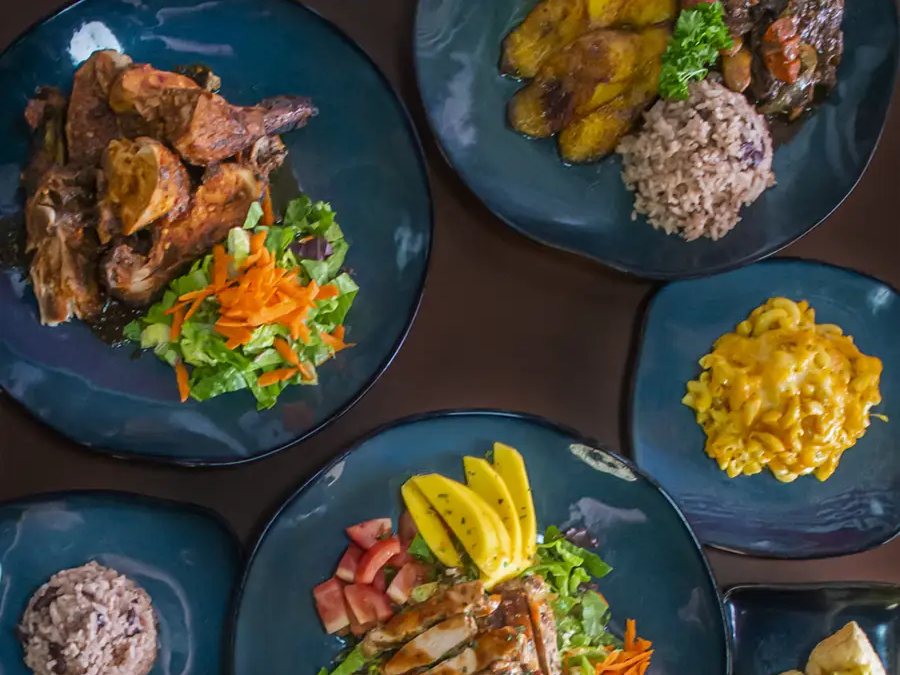
Jamaican food has a way of announcing itself before it reaches the table. You smell scallion, thyme, allspice, Scotch bonnet, smoke, and something sweet at the edges, often from caramelized onions, ripe plantain, or a glaze catching heat at just the right moment. It is bold food, but not careless food. Beneath the heat and the color sits a disciplined way of cooking, one that balances fire with fragrance, richness with acidity, and patience with instinct.
People often approach Jamaican cooking by chasing one or two famous dishes, usually jerk chicken or curry goat. Those dishes matter, of course, but they are only part of a broader style that runs through the island’s kitchens. Good Jamaican food is built from layers. Seasoning is never an afterthought. Marinades need time. Browning has purpose. The pot gets watched. The cook adjusts along the way, because Caribbean food is alive to texture, weather, ingredient quality, and appetite.
If you want to cook Jamaican food well at home, authenticity starts less with rigid rules and more with understanding the logic behind the flavors. Once you grasp that logic, your food begins to taste grounded rather than imitative.
What makes Jamaican cooking distinct
Jamaican cuisine reflects many histories at once. African cooking traditions shaped the use of ground provisions, stews, one-pot dishes, and seasoning methods. Indigenous influences remain in ingredients and techniques. Spanish, British, Indian, Chinese, and Middle Eastern communities all left marks on the island’s table. That is why a Jamaican kitchen can move so naturally from escovitch fish to curry goat, from patties to rice and peas, from callaloo to bun and cheese.
Yet for all that range, Jamaican food feels unmistakably itself. The seasoning profile is part of the reason. Fresh thyme, scallion, onion, garlic, ginger, pimento, and Scotch bonnet show up again and again. Browning sauce deepens stews and gravies. Coconut milk gives body and softness to beans and rice. Saltfish carries savor. Green seasoning ties herbs and aromatics into a usable base. Citrus, especially lime, brightens heavy dishes and freshens marinades.
Another defining feature is contrast. A good Jamaican plate rarely tastes flat. You get heat, but also sweetness. You get spice, but also herbs. You get something crisp next to something tender, or something pickled next to something rich. Think of fried fish with escovitch vegetables, or jerk pork served with festival. The pleasure comes from those opposing notes landing together.
The pantry that actually matters
A kitchen stocked for Jamaican food does not need to be enormous, but it does need the right backbone. In practice, a few ingredients do a great deal of work, and once they are in place the cuisine opens up quickly.
Scallions are not just garnish. They are foundational, often blended into marinades, rubbed over meats, stirred into rice, or cooked into soups. Fresh thyme does similar work, and dried thyme can help in a pinch, though the fresh herb carries a greener, more vivid perfume. Scotch bonnet peppers are central, but they require judgment. Their flavor is fruity and distinct, not just hot. Used whole in a simmering pot, they lend aroma and manageable heat. Chopped or crushed, they can dominate if the cook is not careful.
Pimento, also known as allspice, is one of the defining tastes of Jamaican food. Its warm note sits somewhere between clove, cinnamon, pepper, and nutmeg, but really it tastes like itself. Whole pimento berries are ideal for jerk, stews, and pickling liquids. Ground allspice is useful, though easier to overuse.
Then there are the staples that shape entire meals: kidney beans or gungo peas for rice and peas, coconut milk, salted cod, cornmeal, plantains, yams, cassava, and flour for dumplings or festival. Good curry powder matters if you cook Jamaican curry. It tends to be warmer and more aromatic than many supermarket blends, with turmeric for color and enough spice to carry long cooking.
One mistake I see often is overbuying specialty products while neglecting freshness. A tired bundle of scallions or stale allspice can drag down a dish more than the lack of a niche sauce. Jamaican cooking rewards strong, living ingredients.
Seasoning is where the real work happens
If there is one lesson that separates average Jamaican food from memorable Jamaican food, it is this: season early and season in layers. The food should not rely on surface flavor.
In many Jamaican kitchens, meat is washed or cleaned according to family custom, then seasoned thoroughly with salt, black pepper, scallion, thyme, onion, garlic, ginger, pimento, and pepper. Depending on the dish, soy sauce, browning, curry powder, or a splash of vinegar may join the mix. Then the meat rests. Not for ten hurried minutes while the pan heats, but for several hours or overnight if possible.
That rest changes everything. The seasoning softens sharp edges, the aromatics settle into the protein, and the final dish tastes integrated rather than coated. Chicken benefits enormously from this. Goat, lamb, and pork benefit even more, because their stronger flavors need time to harmonize with herbs and spice.
This is also where judgment matters. There is no prize for adding every aromatic in the refrigerator. Jamaican seasoning should taste deep, not crowded. Too much ginger can bully the pimento. Too much soy sauce can flatten the brightness of thyme and scallion. Too much sugar in a jerk marinade can burn before the meat cooks through. Restraint is part of authenticity.
Jerk is more than heat and smoke
Jerk has become the global shorthand for Jamaican food, and not always in a flattering way. Many versions sold outside the Caribbean are sweet, smoky, and hot, but miss the true center of the style. Real jerk is intensely seasoned, yes, but it is also herbal, earthy, and aromatic. Pimento is as important as pepper. Thyme matters. Scallion matters. The smoke should support the spice, not cover it.
Traditionally, jerk cooking developed as a method of preserving and flavoring meat, especially pork, with heavy seasoning and slow smoke. Today, jerk chicken is more common in many households and roadside cookshops, but the principles stay consistent. The meat gets rubbed or marinated well. It cooks over live fire or a grill if possible, often with pimento wood when available. The exterior darkens and chars in spots while the interior stays juicy.
At home, the hardest part is usually the smoke. Most cooks do not have a steel drum grill in the yard. A kettle grill, charcoal grill, or even an oven with a finishing blast under the broiler can still get you close if the seasoning is right. What matters most is not chasing novelty but respecting the balance. Too much liquid in the marinade and the meat steams instead of roasts. Too much sugar and the surface blackens bitterly. Too little salt and the whole effort tastes vague.
For a practical home version, I usually tell people to build the paste around scallion, thyme, garlic, ginger, allspice, Scotch bonnet, salt, black pepper, a touch of brown sugar, and enough oil or soy sauce to help it spread. Then let the chicken sit overnight. Grill over medium heat so the outside does not burn before the inside cooks. Finish with a short rest before cutting. Jerk that is sliced immediately bleeds flavor onto the board instead of holding it in the meat.
Rice and peas, and why it deserves respect
Rice and peas sounds modest, which may explain why some cooks treat it casually. That is a mistake. In Jamaican meals, rice and peas is often the anchor, and bad rice and peas can throw off an otherwise strong plate.
The peas are usually kidney beans or pigeon peas, though names vary by household and region. The beans should be tender, but not collapsed into mush. The rice should be separate and fluffy, not wet or clumped. Coconut milk is standard in many versions, lending richness and a faint sweetness. Thyme, scallion, onion, garlic, and Scotch bonnet scent the pot. Some cooks add a little allspice. The pepper is often left whole so it perfumes the rice without making it aggressively hot.
The first time someone gets this dish right at home, there is often surprise on their face. They expected a side and got something with a complete personality. The reason is layering again. You are cooking the rice in seasoned liquid, not plain water. The beans contribute both flavor and starch. The coconut rounds the whole thing out.
Timing matters. If the liquid ratio is off, the rice turns heavy. If you stir too much once the rice goes in, it can become gummy. If the coconut milk is too dominant, the dish tastes dessert-like rather than savory. A good pot should smell rich and herbal, with enough salt to stand beside bold meats.
The art of the browned stew
Brown stew chicken is one of the best expressions of Jamaican home cooking because it relies on technique more than spectacle. The flavors are familiar, but the success of the dish depends on control.
The chicken is seasoned and rested, then browned, often with a little sugar cooked until deep amber or with browning sauce added to the marinade. That initial color is not cosmetic. It creates the dark, savory note that defines the stew. After browning, the chicken simmers with onion, tomato, pepper, thyme, garlic, and enough liquid to become gravy, not soup.
Done well, the sauce clings to the chicken and carries concentrated flavor in every spoonful. Done poorly, it tastes burnt or watery. That is the trade-off with browning. You need depth, but not bitterness. The sugar should turn dark, not black. The meat should sear, not boil. Tomatoes should support the gravy, not flood it. I have seen home cooks add too much stock trying to be safe, only to dilute the entire pot.
A small but useful practice is to reserve some of the fresh vegetables added near the end. That keeps a little bite and brightness in the finished stew. If everything goes into the pot too early, the sauce can taste muddy.
Curry, Jamaican style
Jamaican curry deserves its own category because it behaves differently from many Indian curries, even while carrying clear Indo-Caribbean roots. The spice blend is distinct, and the cooking method often starts with “burning” the curry, meaning frying the powder briefly in oil with aromatics before liquid goes in. This step wakes up the spices, deepens the color, and removes the raw, dusty taste that weak curries often have.
Goat is the classic choice and still the benchmark for many cooks. It is a meat that likes slow heat. It can stand up to long simmering, strong spice, and potatoes added toward the end. Chicken works too, especially for a weeknight version. Shrimp is faster and trickier, because it can overcook in minutes and lose the soul of the dish if rushed.
A strong curry goat should taste earthy, warm, and full-bodied, with the spice reaching into the meat itself. The gravy should be thick enough to coat rice, but not paste-like. Potato can be a useful addition because it absorbs flavor and softens the edge of the spice, but too much turns the pot starchy and dull.
One detail that home cooks often miss is the need to season the meat before the curry stage begins. The curry powder is not a substitute for foundational seasoning. If the goat goes into the pot bland, no amount of curry will fix it later.
Escovitch, frying, and the role of acid
Jamaican fried fish paired with escovitch vegetables is one of the cleanest demonstrations of balance in Caribbean cooking. The fish is usually seasoned simply, often with salt, black pepper, and perhaps a little garlic, then fried until the skin or exterior turns crisp. Over that comes a sharp, warm https://felixhlns358.alderbrief.com/posts/10-must-try-jamaican-food-dishes-you-need-on-your-plate pickle of onion, carrot, bell pepper, and Scotch bonnet, splashed with vinegar.
This dish works because each part checks the other. The fish brings richness and crunch. The vegetables bring acidity and freshness. The pepper brightens rather than just burns. It is a dish that feels complete without being heavy.
The challenge lies in timing. Fry the fish too early and it loses crispness. Soak the escovitch vegetables too long and they turn limp. The best versions have enough vinegar to wake up the palate, but not so much that the fish tastes pickled through. At home, I like to pour the escovitch over the fish while both are still warm, then let it sit just long enough for the flavors to meet, not collapse.
This same instinct for acid appears elsewhere in Jamaican food. A squeeze of lime over roast fish, a little vinegar in a pepper sauce, pickled vegetables beside a rich main, all of it serves the same purpose. Heat alone can tire the palate. Acid keeps it alert.
Ground provisions, greens, and the food beneath the headlines
Anyone serious about Jamaican food should spend time with the dishes that attract less international attention. Callaloo, boiled green bananas, yam, dumplings, pumpkin soup, mannish water, ackee and saltfish, steamed cabbage, roast breadfruit, and simple lentil or red peas soups tell you as much about the cuisine as any platter of jerk.
Ackee and saltfish is a perfect example. On paper it sounds straightforward, but it asks for care. Salt cod must be soaked or boiled enough to remove excess salt while keeping flavor. Ackee needs gentle handling so it holds its shape. Onion, tomato, scallion, thyme, and pepper build the dish without overwhelming the subtle, buttery quality of the fruit. When cooked properly, the result is savory, soft, and aromatic, with a texture that feels luxurious despite the dish’s humble components.
Ground provisions, a term used for starchy root vegetables and related staples, carry real weight in Jamaican eating. Yellow yam, white yam, coco, cassava, and green banana are not filler. They bring structure to meals and a different kind of satisfaction than rice alone. Served with rundown, saltfish, or steamed fish, they make a plate feel rooted in the island rather than just seasoned in its style.
Small habits that improve home results
Most disappointing attempts at Jamaican food fail for ordinary reasons, not mysterious ones. The seasoning was rushed. The heat was too high. The cook used boneless skinless chicken breast where dark meat was needed. The rice sat uncovered and dried out. The Scotch bonnet was handled carelessly and made everything harsh rather than fragrant.
A few kitchen habits go a long way:
- Marinate proteins for at least a few hours, overnight when practical.
- Taste for salt before the final simmer, not only at the table.
- Use whole Scotch bonnet when you want aroma with moderate heat.
- Brown with patience, because color develops flavor.
- Rest grilled or roasted meats before serving.
These are simple steps, but they change the outcome more than expensive equipment does.
Authenticity without rigidity
There is always a conversation around what counts as authentic. In Jamaican cooking, that question can become unhelpfully narrow if it ignores the realities of migration, ingredient access, and family custom. A cook in Kingston, a grandmother in Montego Bay, a family in London, and a restaurant in Toronto may all prepare the same dish a little differently. That does not make one true and the others false.
Authenticity is better understood as fidelity to the dish’s character. Does the curry taste like Jamaican curry, or like generic stew with yellow powder? Does the jerk carry pimento, thyme, smoke, and pepper in the right relationship, or is it just hot barbecue sauce? Does the rice and peas have the fragrance and texture people expect from the dish, or is it plain rice with beans stirred in?
Substitutions are sometimes necessary. Habanero can stand in for Scotch bonnet in many homes, though its flavor is not identical. Smoked paprika can help in a pinch when trying to suggest grill depth, but it cannot replace real smoke. Canned coconut milk is entirely practical, though fresh is lovely when available. The key is to substitute thoughtfully, knowing what role the original ingredient played.
Serving the meal as a whole
A Jamaican meal is rarely about a single star item dropped onto a plate. It is composed. Jerk chicken changes meaning when served with festival, or with rice and peas and steamed cabbage, or with roasted breadfruit. Curry goat needs something that can carry gravy. Fried fish wants that sharp escovitch lift. Even a soup can stand as a complete meal if it includes dumplings, provisions, meat, and enough pepper to warm without punishing.
Portion balance matters too. These dishes are intensely flavored. A little fresh vegetable or slaw can make the difference between a heavy meal and one that keeps calling you back. The same is true of drink pairings. Sorrel, ginger beer, or simple citrus-based drinks all work because they refresh the palate against spice and richness.
When hosting, I usually advise restraint in the number of highly spiced mains. A table with jerk chicken, curry goat, escovitch fish, rice and peas, callaloo, fried plantain, and macaroni pie may sound generous, but not every dish gets the attention it deserves. Better to cook fewer items well and let the contrasts register clearly.
Why this food keeps people loyal
Jamaican food inspires devotion because it delivers more than flavor. It carries memory, climate, movement, and technique in every pot. It is generous food, but it is not casual. The dishes ask you to season with intention, cook with patience, and trust bold ingredients. Once you understand that, the cuisine becomes less intimidating and far more rewarding.
The best Jamaican cooking at home does not come from collecting a stack of recipes and following them word for word. It comes from learning how the food behaves. How thyme softens in coconut milk. How pimento opens in heat. How a whole Scotch bonnet perfumes a pot without making it fierce. How browning deepens a stew. How acid rescues richness. Those are the lessons that make jamaican food taste authentic, whether you are cooking for two on a weeknight or feeding a crowded Sunday table.
If you start there, with flavor logic rather than performance, your kitchen begins to smell right. Then the plate follows.
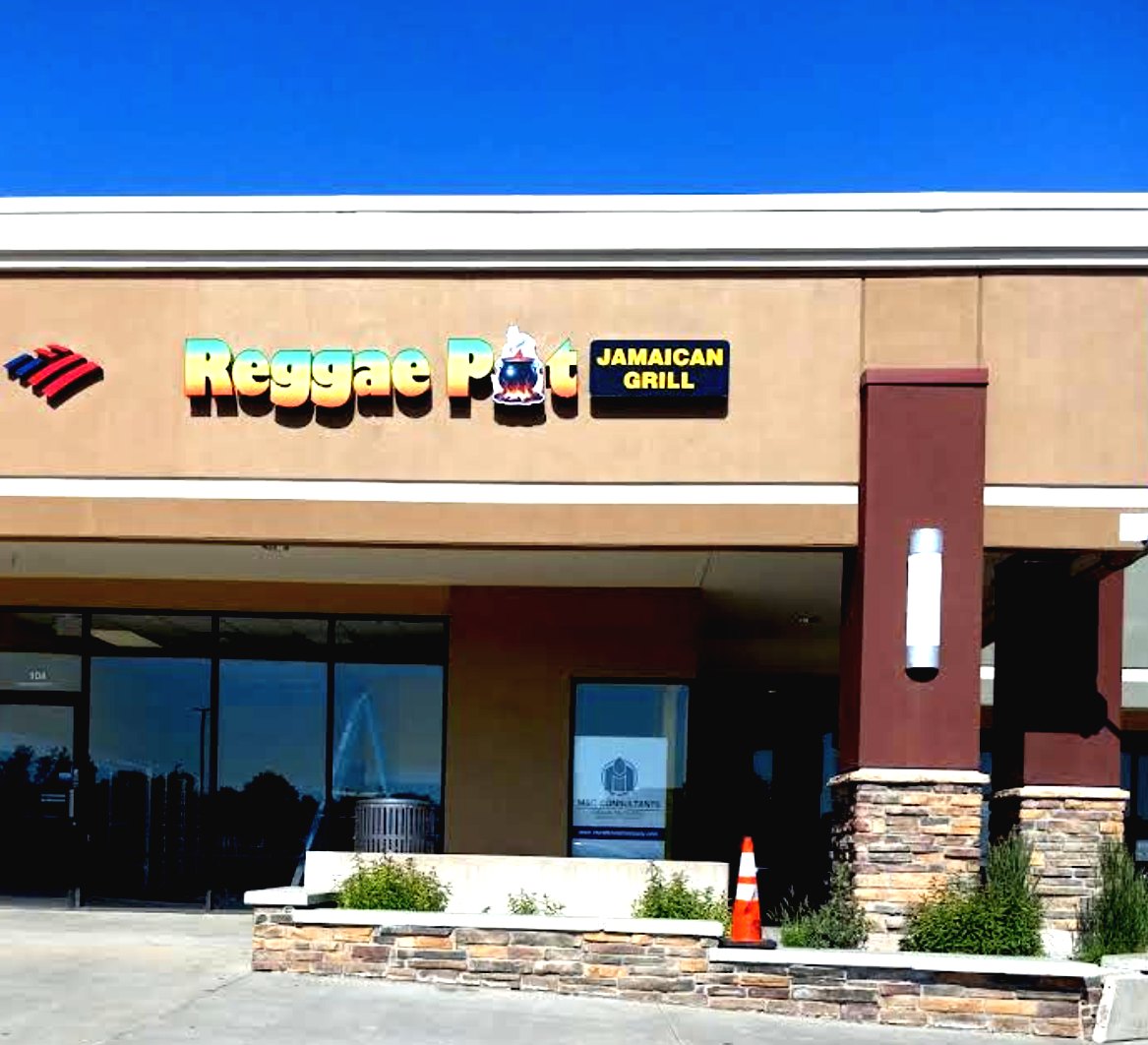
Reggae Pot Jamaican Grill
2243 S Monaco St Pkwy #104
Denver, CO 80222
+1 720-410-2956
FAQ About jamaican food
What is the best Jamaican food to try in Denver?
The best choice depends on your tastes. Popular options include jerk chicken, curry goat, slow-cooked oxtail, and savory patties. Reggae Pot lists these dishes on its menu, with sides such as rice and peas and plantains. Ask the Denver team about current availability and spice levels.
Is Jamaican food very spicy in Denver?
Heat varies by dish and preparation. Jerk seasoning often includes scotch bonnet peppers alongside herbs and allspice, while other dishes may have gentler seasoning. Ask about the heat of the specific dish and any sauce before ordering.
What are some popular Jamaican snacks?
Jamaican patties are a popular snack made with flaky pastry and savory meat or vegetable fillings. Other options include fried dumplings and festival, a sweet fried dough often served with savory dishes. Availability varies, so check the current menu when ordering.